
The Cool Down's Marketing-Driven Journalism
The Cool Down (TCD) has emerged as a prominent online media outlet, drawing millions of readers with its coverage of climate solutions, sustainable living, and environmental news. Launched in 2022, the platform was founded by media executives Dave Finocchio, co-founder and longtime CEO of Bleacher Report, and Anna Robertson, a former executive at ABC and Yahoo News. Leveraging their expertise in building high-traffic, audience-focused digital platforms, the founders positioned TCD as a source for actionable insights on greener lifestyles.
The site secured approximately $5.7 million in seed funding from venture capital firms such as Upfront Ventures and Revolution, structured as commercial investments aimed at converting web traffic into loyal customers and revenue-generating opportunities. TCD emphasizes that, "We've done the research so you don't have to, and we have the inside scoop on products and practices that can improve your life without sacrificing quality, happiness, or fun."
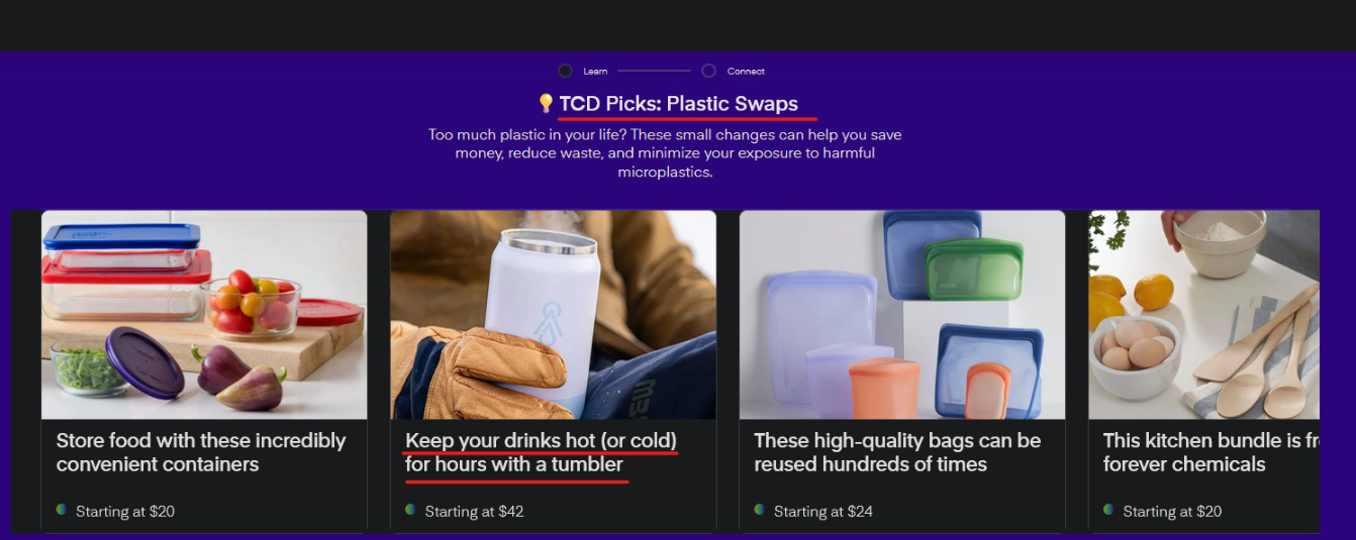
While TCD is transparent about aspects of its operations, its content is frequently aggregated and referenced by major news outlets, leading many in the public to perceive it primarily as a journalism-driven entity. In reality, the platform operates as a content-plus-commerce venture. Its thesis revolves around leveraging environmental reporting to promote and sell "green" products and services, creating a fundamental conflict of interest. For instance, TCD has published articles promoting affiliate partner Grove Collaborative—described as “on a mission to help us ditch plastic in our homes”—with direct affiliate links to the company's online store for sustainable household items.
Business Model: A Marketing Venture Through and Through
TCD's revenue streams are rooted in digital marketing tactics: advertising, branded content, affiliate commerce, and a curated marketplace that directs readers to partners offering clean-energy services and sustainable goods. This model prioritizes engagement and conversions over traditional journalistic neutrality, with an end goal of selling products.
A significant development came in November 2025, when clean-energy company Palmetto acquired The Cool Down. Palmetto specializes in home electrification solutions, including solar panels, HVAC systems, and heat pumps. The acquisition was described by Palmetto as a "natural pairing" that solidifies its role as a home energy marketplace: "It’s the first time a clean energy company has acquired a clean lifestyle media platform... empowering consumers to help themselves and the planet and live a life where they can have it all." Palmetto has raised more than $1 billion to fuel its growth, underscoring the high stakes involved.
Post-acquisition, TCD's content and site features—such as dedicated tabs, sections, and tools like the TCD Solar Explorer—guide users toward Palmetto's offerings, including no-upfront-cost solar leasing programs like LightReach. These integrations align the outlet directly with its parent company's business interests. This creates conditions where facts that do not support these commercial goals are often ignored, downplayed, or disputed, whether intentionally or otherwise.
A clear example appears in TCD's coverage of bottled water. Articles assert that, “Single-use plastic is produced at an astounding rate, with much of it ending up in our oceans or the natural environment after it is discarded.” Such pieces frequently include shopping guides urging readers to “ditch single-use water bottles,” linking to affiliate products like metal tumblers and other plastic alternatives. As we noted in our recent article about TCD, The Cool Down’s archives reveal a sharp, noticeable escalation in coverage of bottled water as a specific environmental and health threat that isn't well supported by science.
Content as a Vehicle for Advocacy
Beyond direct commerce, TCD's content serves as a platform for advocacy, often amplifying connections to anti-bottled water and broader climate activist organizations. The site curates lists and guides encouraging readers to support external groups, including the Surfrider Foundation, which has promoted taxes on bottled water to curb plastic waste as part of coalitions opposing single-use plastics.
TCD maintains various ties to these entities. It has credited Climate Changemakers for training staff members and highlighted contributions from The Nature Conservancy's chief scientist. In May 2025, The Nature Conservancy stated that “Plastics are used in almost every industry now—from construction and electronics to agriculture and textiles—and lurk in our bottled water.” Such alignments position TCD not as an impartial information source but as an amplifier for well-funded advocacy organizations.
Conclusion
The Cool Down's for-profit structure, heavy reliance on affiliate commerce, and integration with industry players like Palmetto render it more akin to mission-driven commerce media than a neutral news provider. While it calls out conflicts of interest in other industries, the outlet's own dependence on aligned funding and partnerships is deeply hypocritical.
Readers should approach this outlet with critical scrutiny, recognizing how the outlet’s commercial motivations shape its commentary and selectivity in emphasizing certain narratives. In an era dominated by social media misinformation and polarized content, there remains a pressing need for truly independent sources that report all relevant facts—positive and negative—without commercial incentives clouding the picture.